Roaches
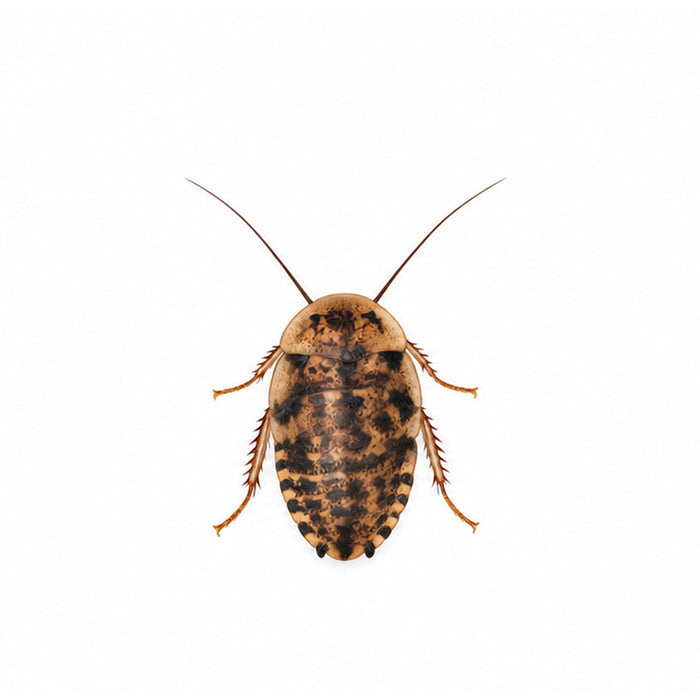
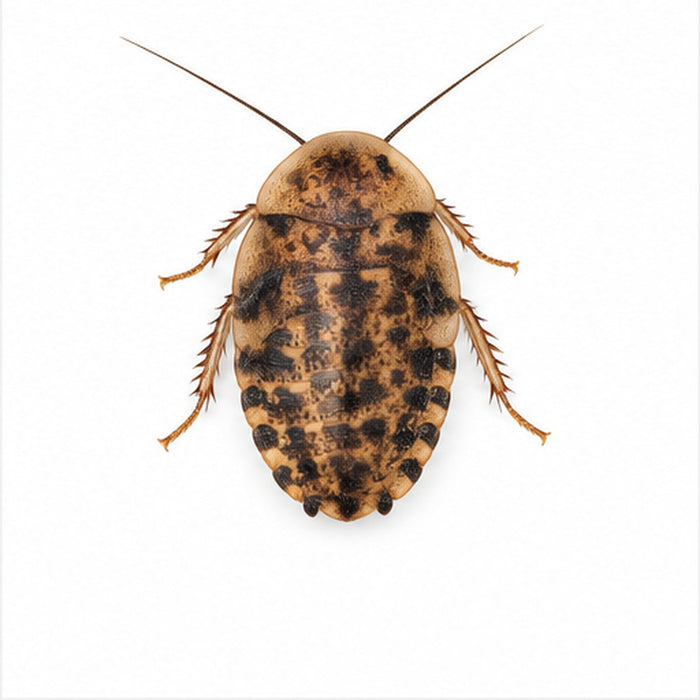
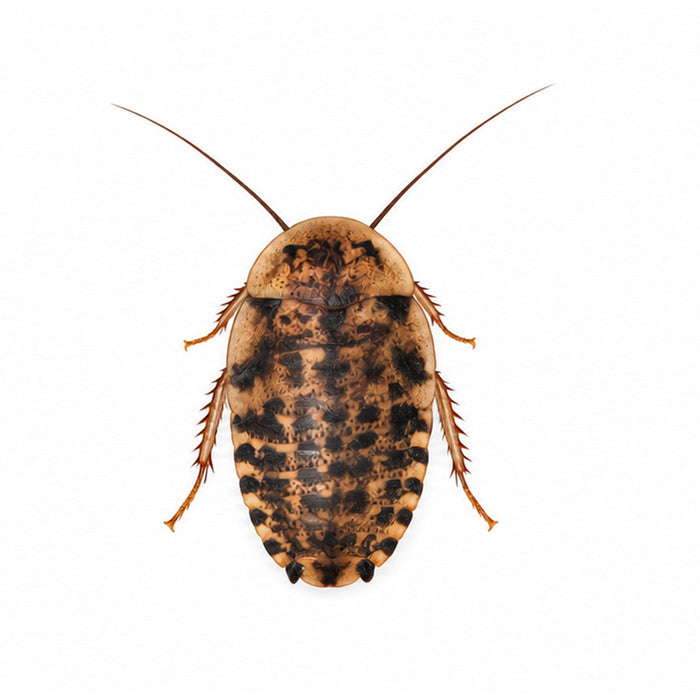
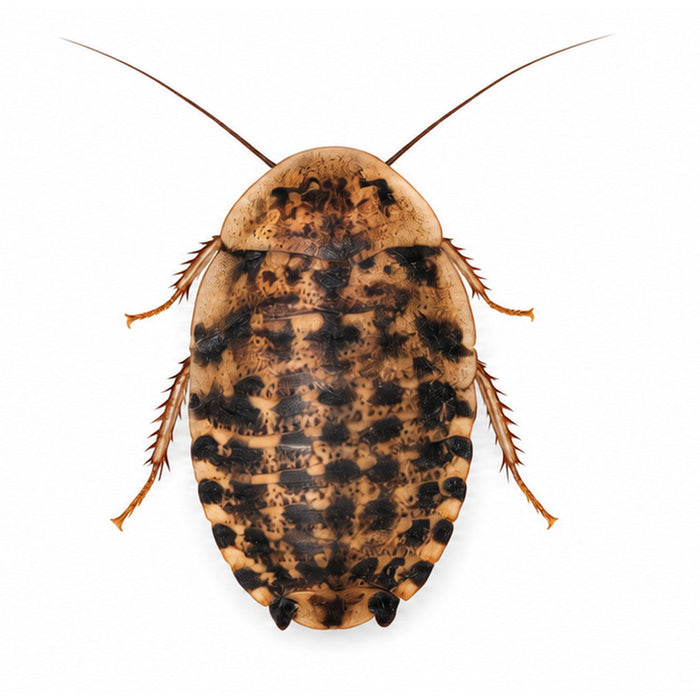
The Discoid Roach
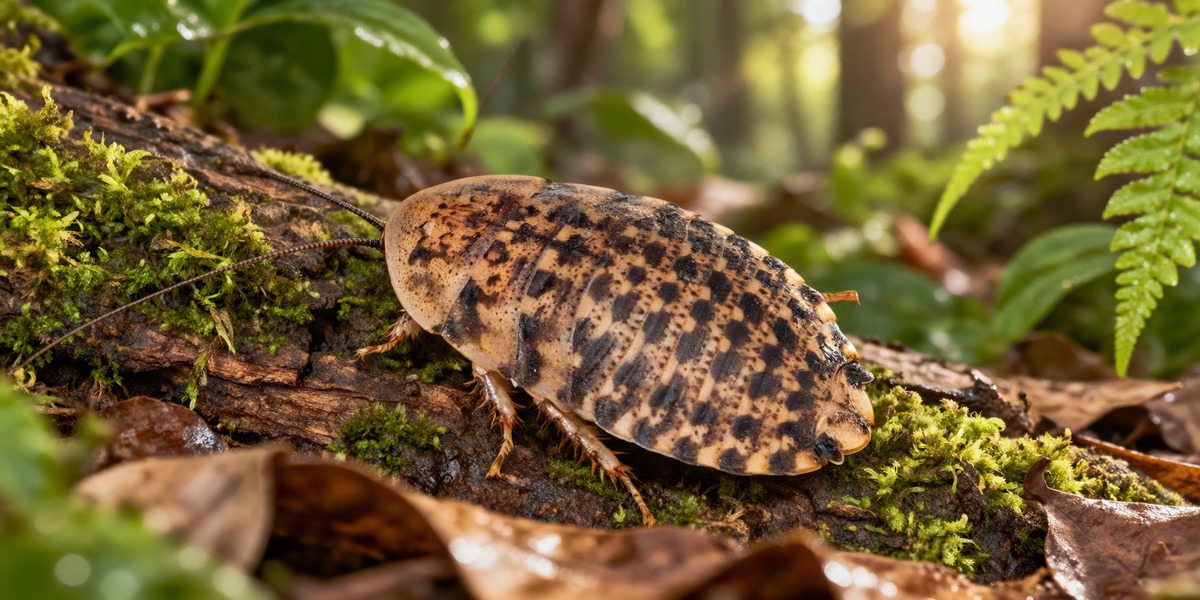
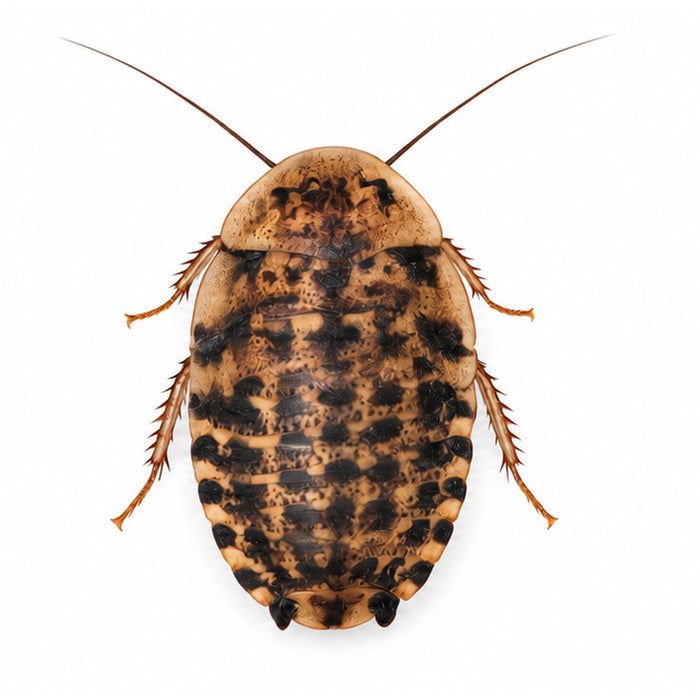
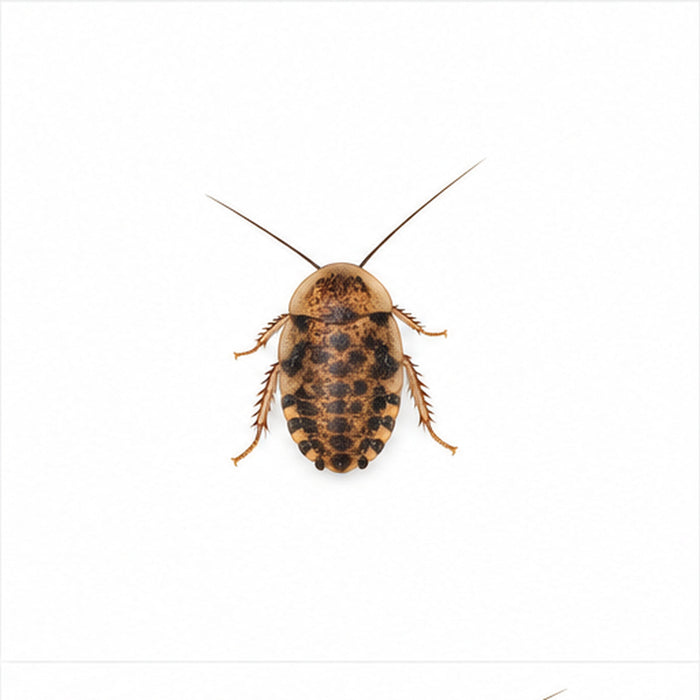
Blaberus discoidalis — a large, soft-bodied tropical roach from Central and South America, and one of the most practical feeder insects a keeper can work with.
Why keepers use them
Discoids come close to an ideal staple. They carry more usable protein per insect than crickets and considerably less shell, which makes them easier to digest and less likely to contribute to impaction. They move slowly enough that an animal can catch one without a chase, and enough to trigger a feeding response.
They also gut-load well. What a roach eats in the 24 hours before feeding passes straight to your animal, so a well-fed colony works as a nutritional delivery system rather than just a protein source.
Living with them
They cannot climb smooth surfaces and they do not fly, so a bin with clean sides holds them without a lid. They do not chirp and they do not smell. Adults live one to two years, so nothing is wasted when your animals eat less one week than the next.
Choosing a size
- Pinhead, under ⅛" — hatchling geckos, dart frogs, mantid nymphs
- XS ⅛–¼" — hatchling bearded dragons, small geckos, mantids
- S ¼–½" — juvenile dragons, leopard geckos, crested geckos
- M ½–¾" — sub-adult dragons, adult leopard geckos
- L ¾–1¼" — adult bearded dragons, small monitors
- XL 1¼–2"+ — adult monitors, tegus, large ackies
The rule that holds at every size: never feed an insect wider than the space between your reptile's eyes. Our Feeder Size Guide goes into more detail.
Keeping them at home
See the Discoid Roach Care & Storage guide for housing, food and handling once your order arrives.